
Telecom Electronic Manufacturing Services Market Digital Transformation: Cloud Manufacturing, IoT Integration, and Data-Drive
Explore how digital transformation, cloud manufacturing, IoT integration, and data-driven operations are reshaping the Telecom Electronic Manufacturing Services Market through 2034.
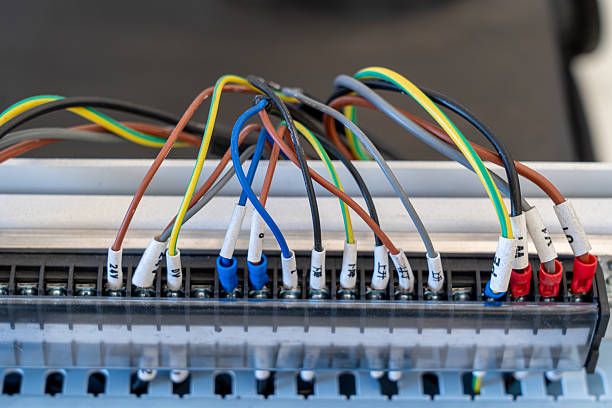
Telecom Electronic Manufacturing Services Market Digital Transformation: Cloud Manufacturing, IoT Integration, and Data-Driven Operations Through 2034
Author: Ekta Chaurasia, Team Lead – ICT, Semiconductor & Electronics Research, M2Square Consultancy
The global telecommunications industry is undergoing a deep digital transformation driven by the convergence of cloud computing, artificial intelligence, industrial IoT, and advanced analytics. As telecom networks become more complex and interconnected, the need for highly efficient, intelligent, and adaptive manufacturing systems has never been greater.
Within this evolving ecosystem, the Telecom Electronic Manufacturing Services (EMS) Market is rapidly transitioning from traditional production models to fully digital, data-driven manufacturing environments.
According to industry analysis, the global Telecom Electronic Manufacturing Services Market is valued at USD 239.34 billion in 2026 and is projected to reach USD 406.65 billion by 2034, growing at a CAGR of 6.9% during the forecast period.
This transformation is redefining how telecom hardware is designed, manufactured, tested, and delivered across global supply chains.
Telecom EMS Market Snapshot
Indicator
Value
Market Size (2026)
USD 239.34 Billion
Market Size (2034)
USD 406.65 Billion
CAGR
6.9%
Key Growth Driver
Digital Transformation in Manufacturing
Emerging Trend
Cloud & IoT Integration
Leading Region
Asia-Pacific
Why Digital Transformation Matters in Telecom Manufacturing
Telecom manufacturing requires high precision, speed, and scalability due to rapidly evolving technologies such as:
5G and emerging 6G networks
Edge computing systems
AI-driven communication infrastructure
IoT-connected devices
Cloud-native telecom architectures
Traditional manufacturing systems are no longer sufficient to manage this complexity, driving rapid adoption of digital solutions.
Key Trend #1: Cloud-Based Manufacturing Systems
Cloud platforms are becoming central to telecom manufacturing operations.
Key Benefits:
Real-time production monitoring
Centralized data management
Remote factory control
Scalable manufacturing operations
Improved collaboration across global sites
Cloud manufacturing enables EMS providers to operate more efficiently across distributed production networks.
Key Trend #2: Industrial IoT (IIoT) Integration
Industrial IoT is transforming factory environments into connected ecosystems.
Applications Include:
Machine performance tracking
Predictive maintenance systems
Real-time quality control
Asset and inventory tracking
Energy consumption optimization
IIoT enables seamless data flow across production systems, improving efficiency and reducing downtime.
Key Trend #3: Data-Driven Manufacturing Operations
Data analytics is becoming a core component of telecom EMS operations.
Key Use Cases:
Production forecasting
Quality assurance optimization
Supply chain analytics
Demand prediction
Operational efficiency tracking
Data-driven insights enable faster decision-making and improved manufacturing performance.
Analyst Perspective
"Digital transformation is fundamentally reshaping the Telecom EMS Market by enabling smarter factories, real-time decision-making, and fully connected manufacturing ecosystems. Companies leveraging cloud, IoT, and data analytics are gaining significant operational advantages."
— Ekta Chaurasia, Team Lead, M2Square Consultancy
Key Trend #4: Smart Factory Ecosystems
Smart factories integrate multiple digital technologies to optimize production.
Core Components:
Artificial intelligence systems
Robotics and automation
Digital twin simulations
Cloud-based control systems
IoT-enabled machinery
These ecosystems enhance productivity while reducing operational costs and errors.
Key Trend #5: Supply Chain Digitization
Digital tools are improving supply chain visibility and resilience.
Technologies Include:
Blockchain-based tracking
AI-driven forecasting systems
Real-time logistics monitoring
Automated procurement systems
This improves transparency and reduces supply chain disruptions.
Key Trend #6: Predictive Maintenance and Automation
Predictive analytics is helping manufacturers reduce downtime.
Benefits Include:
Early detection of equipment failure
Reduced maintenance costs
Increased machine lifespan
Improved production continuity
Automation ensures higher efficiency and consistency in telecom manufacturing.
Regional Digital Transformation Trends
Asia-Pacific Leads Adoption
Asia-Pacific dominates due to:
Strong electronics manufacturing base
Rapid industrial digitalization
Government support for smart factories
North America
North America focuses on:
Cloud-first manufacturing strategies
AI-powered industrial systems
Advanced analytics adoption
Europe
Europe emphasizes:
Sustainable digital manufacturing
Secure industrial cloud systems
Industry 4.0 integration
Challenges in Digital Transformation
Despite strong progress, several challenges persist:
High implementation costs
Cybersecurity risks
Data integration complexity
Workforce skill gaps
Legacy system integration issues
Strategic Opportunities Through 2034
Digital transformation creates multiple growth opportunities:
Cloud-native telecom manufacturing platforms
AI-driven production systems
IoT-enabled smart factories
Data-centric supply chain ecosystems
Fully automated manufacturing operations
Companies investing early in digital capabilities will gain strong competitive advantages.
Future Outlook
By 2034, the Telecom EMS Market will be defined by:
Fully connected digital factories
AI-powered autonomous production systems
Real-time global manufacturing networks
Integrated cloud-ecosystem operations
Predictive and self-optimizing supply chains
This evolution will fundamentally reshape global telecom manufacturing.
Conclusion
Digital transformation is becoming the backbone of the Telecom Electronic Manufacturing Services Market. As telecom systems grow more advanced and interconnected, EMS providers must adopt cloud computing, IoT integration, and data-driven operations to remain competitive.
With the market projected to reach USD 406.65 billion by 2034, digital-first manufacturing strategies will play a central role in shaping the future of telecom infrastructure production.
Explore the Full Market Report
Telecom Electronic Manufacturing Services Market:
Telecom Electronic Manufacturing Services Market Report
Related Reports
HD Maps for Autonomous Driving Market
HD Maps for Autonomous Driving Market Report
Remote Sensing Services Market
Remote Sensing Services Market Report
Track and Trace Solutions Market
Track and Trace Solutions Market Report
Frequently Asked Questions
What is driving digital transformation in telecom manufacturing?
AI, IoT, cloud computing, and increasing telecom infrastructure complexity.
How is cloud computing used in EMS?
For centralized monitoring, production control, and scalable manufacturing operations.
What role does IoT play in manufacturing?
It enables real-time monitoring, predictive maintenance, and operational optimization.
Which region leads digital adoption?
Asia-Pacific leads due to strong manufacturing and industrial digitalization.
What is the future of digital manufacturing?
Fully automated, AI-driven, and cloud-connected smart factories.
Benzer içerikler


Türkiye Sosyal Girişimcilik Ağı; sosyal girişimcilerinin bilgi, bağlantı ve görünürlük ihtiyacını karşılamayı, sosyal girişimciliği toplumsal ve çevresel sorunlara alternatif bir çözüm olarak yaygınlaştırmayı ve farkındalık yaratmayı amaçlar.


Yekpare
Yekpare, sosyal girişimler ve sosyal değişim aktörlerini bir araya getirerek birbirinden öğrenmeyi, kaynakları paylaşmayı, diyaloğu ve dayanışmayı artırmayı hedefler. Amacımız, sosyal, çevresel ve kültürel meseleler için çalışanların güvene dayalı ilişkiler kurmasını ve etkilerini büyütmesini desteklemektir. Yekpare'ye katıldığınızda;
* Atölyeler ve buluşmalarla bağlarınızı güçlendirme,
* Araçlara ve kaynaklara erişme,
* Ulusal ve uluslararası ağlarda görünür olma gibi imkânlara sahip olursunuz.
Topluluğa katılma tarihi: 06.2023.





Sidebar
Yekpare
Yekpare, sosyal girişimler ve sosyal değişim aktörlerini bir araya getirerek birbirinden öğrenmeyi, kaynakları paylaşmayı, diyaloğu ve dayanışmayı artırmayı hedefler. Amacımız, sosyal, çevresel ve kültürel meseleler için çalışanların güvene dayalı ilişkiler kurmasını ve etkilerini büyütmesini desteklemektir. Yekpare'ye katıldığınızda;
* Atölyeler ve buluşmalarla bağlarınızı güçlendirme,
* Araçlara ve kaynaklara erişme,
* Ulusal ve uluslararası ağlarda görünür olma gibi imkânlara sahip olursunuz.
Topluluğa katılma tarihi: 06.2023.
0 Comments